
+27 (0)11 620 1500
Droste Crescent, Jeppestown, Johannesburg 2043, South Africa

Industry supplier offers dust control measures for vehicles

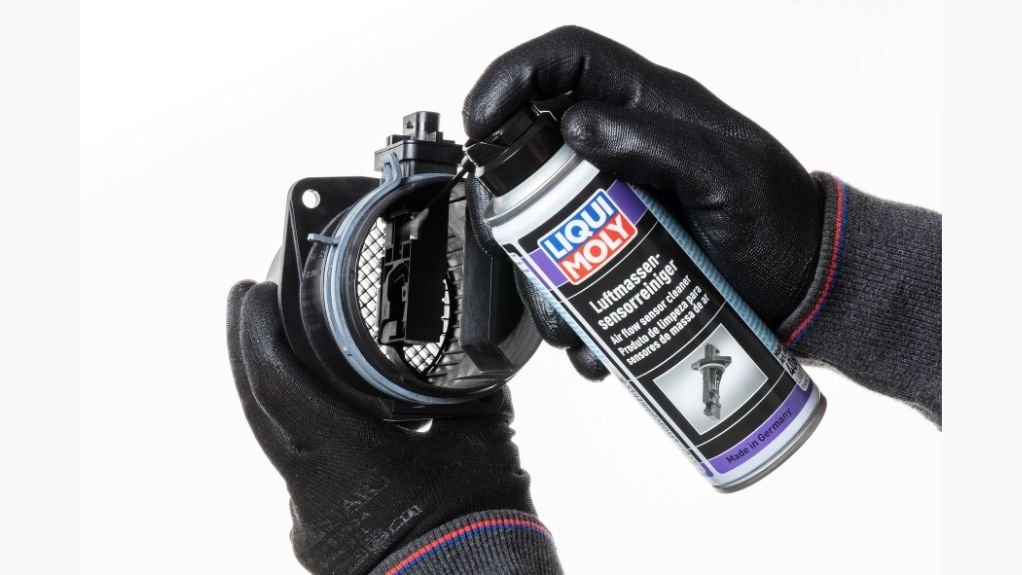
PREVENTATIVE MAINTENANCE Liqui Moly air flow sensor cleaner is simple to use and to achieve the best results should be used every time the air filter is replaced



In Africa, bakkies and heavy-duty construction vehicles travel on gravel and dusty roads, and airborne grit finds its way into air intake systems, says industrial solutions supplier BMG Mechanical Power Transmission division internal operations manager Leon Alberts.
The airflow sensor, he notes, is critical for petrol and diesel vehicles with electronic engine management systems and is often overlooked during routine service.
“Dust ingress leads to degraded sensor performance, resulting in sluggish acceleration, increased fuel consumption and unnecessary replacement of functioning sensors.”
Alberts recommends Liqui Moly aerosol-based sensor cleaner, a product that is specially formulated for bakkies and heavy-duty vehicles that operate in Africa’s dust-laden environments, including mining and construction sites. It is designed to remove contaminants from the delicate hot wire or hot plate components inside air flow sensors, without any mechanical contact, he says.
He attests that, unlike conventional cleaning agents that can leave residue on delicate sensor components or damage plastic housings, the specially formulated solvent blend cleans without contact or abrasion.
“It evaporates rapidly and completely, leaving no residue that could interfere with sensor . . . electronics.”
Apart from the benefits of improved throttle response, lower fuel consumption and smoother idling, Alberts says that regular cleaning of the air flow sensor can prevent shifting issues in automatic transmissions, which often rely on air flow data to perfectly time gear changes. “This is a simple but effective preventative maintenance step that extends sensor service life and protects engine performance.”
He advises against using multi-purpose or aggressive cleaners as this could damage the sensor’s surface coating or fail to remove fine deposits, leading to further damage.
Alberts says that the Liqui Moly air flow sensor cleaner is simple to use and to achieve the best results, the cleaner should be used every time the air filter is replaced or when drivability issues suggest there is possible air flow sensor degradation.
“The electrical connection to the air flow sensor is disconnected and the exposed sensor is sprayed generously with the cleaner. Contaminants dissolve and drip off, without the need for mechanical contact. Once dry, the sensor is re-installed and the vehicle's engine management is immediately able to recalibrate correctly.”
For complete care of petrol and diesel engines, Alberts recommends that the Liqui Moly Air Flow Sensor Cleaner is used in conjunction with a throttle valve cleaner and injection cleaner.
“These complementary products address additional buildup along the air intake path and within the fuel system, offering a comprehensive engine care solution for vehicles exposed to heavy-duty conditions, urban pollutants or inconsistent fuel quality,” he concludes.