The Art Of Managing Complex Projects Beyond Sa Borders

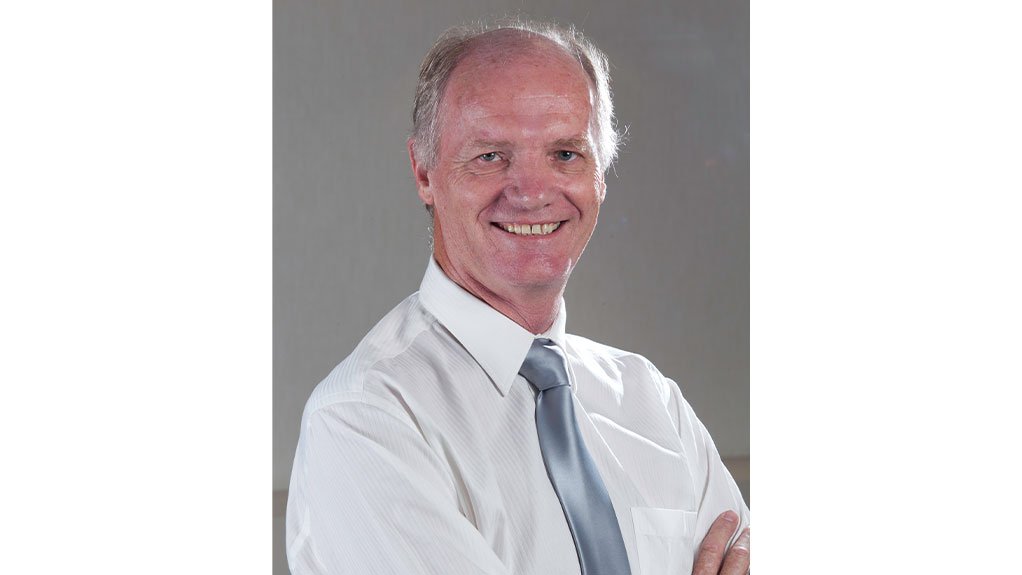


This article has been supplied.
As infrastructure projects across Africa continue to grow in scale, complexity and regional significance, the ability to successfully deliver across borders is becoming a critical differentiator for international consulting engineering operations.
Large-scale developments increasingly span multiple countries, regulatory frameworks and stakeholder environments, requiring project teams to navigate diverse local realities while maintaining consistency, quality and long-term value.
Managing Director for Arcus GIBB Nigeria and Technical Executive for GIBB South Africa, Wiero Vogelzang, says one of the most significant barriers to success is funding. “While development finance institutions such as the World Bank, African Development Bank and other international funders continue to play a vital role in supporting infrastructure development across Africa, securing funding can be a lengthy and complex process.
“Without funding certainty, projects can remain stalled for years, despite strong demand and clear development benefits.”
In addition, localisation and indigenisation policies are becoming increasingly important across many African markets. Countries such as Nigeria, Botswana, Ghana, Kenya, Tanzania and Namibia have varying requirements regarding local ownership, participation and procurement. These frameworks are designed to support local economic development, but they also require international engineering firms to establish credible local partnerships early in the project lifecycle.
Vogelzang notes that finding the right local partner is often easier said than done. “Trust takes years to build. You need partners who understand the local environment, have strong technical capability and share your commitment to quality delivery."
These partnerships are not simply about meeting regulatory requirements, they play a critical role in helping project teams understand local stakeholder dynamics, navigate decision-making processes and build long-term relationships with clients and regulators.
Vogelzang says maintaining consistency across diverse operating environments presents another challenge. “While GIBB applies robust quality management systems and internationally recognised standards across its operations, successful delivery also requires flexibility and cultural awareness.”
The company uses its ISO 9001-aligned quality framework as a foundation for project delivery, ensuring consistency in governance, technical processes and quality assurance. However, applying those standards effectively requires an understanding that different countries often operate within different cultural, legal and business contexts.
"The South African way of doing things doesn't necessarily work everywhere," notes Vogelzang. "You need to understand the local dynamics and adapt accordingly, while still maintaining the standards that clients expect."
This balance between consistency and adaptability is particularly important when managing multidisciplinary teams across different countries. Local knowledge often proves invaluable in helping project teams navigate everything from stakeholder engagement and labour practices to permitting processes and community expectations.
Strong local partnerships also play an important role in managing risk across multiple jurisdictions. Cross-border projects face a wide range of non-technical risks that can significantly influence project outcomes. These include foreign exchange volatility, taxation complexities, payment restrictions, contractual risk allocation and evolving regulatory requirements.
Currency fluctuations, for example, can dramatically affect project economics over the course of a multi-year infrastructure programme. Similarly, varying tax regimes and withholding tax requirements can impact project costs and competitiveness if not properly understood and accounted for from the outset.
Operational challenges add another layer of complexity. Travel logistics across Africa can be unpredictable, while access to reliable baseline technical information may vary considerably between locations. In some instances, project teams may need to undertake extensive site investigations and data collection programmes before design work can even begin.
Vogelzang says engineering is only one part of successful project delivery. "You also need strong financial, legal and commercial understanding to manage projects effectively.
“An integrated approach to risk management is increasingly important as infrastructure projects become larger and more interconnected. Effective governance structures, clear decision-making processes and strong communication channels help ensure that project teams, clients, regulators and partners stay aligned throughout the project lifecycle.”
Even more importantly, strong regional relationships help create opportunities for better long-term outcomes.
“In many cases, the most successful projects are built on relationships that have been developed over several years. Understanding client priorities, establishing trust and demonstrating consistent performance over time often creates the foundation for future collaboration,” explains Vogelzang.
For large-scale infrastructure projects in particular, engagement frequently begins years before procurement processes formally commence. This early involvement allows engineering teams to better understand project objectives, identify potential risks and contribute to the development of more viable project structures.
Looking ahead, early-stage engagement is becoming increasingly important as governments and private sector stakeholders seek innovative ways to close Africa's infrastructure funding gap, estimated at between US$130 billion and US$170 billion annually.
Public-Private Partnerships (PPPs) are expected to play an increasingly important role in addressing this challenge. However, successful PPPs require more than technical excellence. They require projects that are financially viable, bankable and capable of attracting investment.
This is driving closer collaboration between engineers, financial specialists, legal advisors and transaction experts from the earliest stages of project development.
Vogelzang says the future of infrastructure delivery is about integrating technical, financial and legal expertise. “It's no longer enough to simply provide a technical solution. You need to understand how projects will be funded, structured and implemented. When those elements come together, that's when infrastructure projects can truly deliver long-term value."
As Africa continues to invest in critical infrastructure, organisations that can successfully navigate the continent's diverse operating environments while maintaining strong standards, trusted partnerships and effective governance will be best positioned to deliver lasting impact for the continent.
Article Enquiry
Email Article
Save Article
Feedback
To advertise email advertising@creamermedia.co.za or click here
Projects


Latest Multimedia

Latest News

Showroom

Complete range of security sealing solutions including security seals bags and labels.
VISIT SHOWROOM
Your global lifecycle technology & service partner for materials & minerals processing equipment for coal, iron ore, copper, manganese & other...
VISIT SHOWROOM


Announcements
What's On
Subscribe to improve your user experience...
Option 1 (equivalent of R125 a month):
Receive a weekly copy of Creamer Media's Engineering News & Mining Weekly magazine
(print copy for those in South Africa and e-magazine for those outside of South Africa)
Receive daily email newsletters
Access to full search results
Access archive of magazine back copies
Access to Projects in Progress
Access to ONE Research Report of your choice in PDF format
Option 2 (equivalent of R375 a month):
All benefits from Option 1
PLUS
Access to Creamer Media's Research Channel Africa for ALL Research Reports, in PDF format, on various industrial and mining sectors
including Electricity; Water; Energy Transition; Hydrogen; Roads, Rail and Ports; Coal; Gold; Platinum; Battery Metals; etc.
Already a subscriber?
Forgotten your password?
Receive weekly copy of Creamer Media's Engineering News & Mining Weekly magazine (print copy for those in South Africa and e-magazine for those outside of South Africa)
➕
Recieve daily email newsletters
➕
Access to full search results
➕
Access archive of magazine back copies
➕
Access to Projects in Progress
➕
Access to ONE Research Report of your choice in PDF format
RESEARCH CHANNEL AFRICA
R4500 (equivalent of R375 a month)
SUBSCRIBEAll benefits from Option 1
➕
Access to Creamer Media's Research Channel Africa for ALL Research Reports on various industrial and mining sectors, in PDF format, including on:
Electricity
➕
Water
➕
Energy Transition
➕
Hydrogen
➕
Roads, Rail and Ports
➕
Coal
➕
Gold
➕
Platinum
➕
Battery Metals
➕
etc.
Receive all benefits from Option 1 or Option 2 delivered to numerous people at your company
➕
Multiple User names and Passwords for simultaneous log-ins
➕
Intranet integration access to all in your organisation