Joint working group calls for greater alignment on energy reform and industrial policy

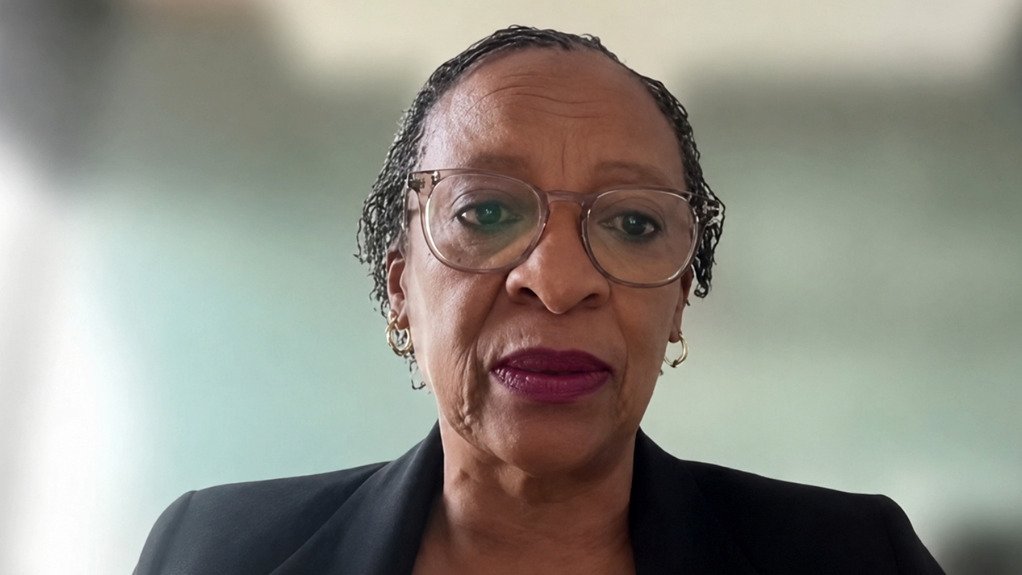
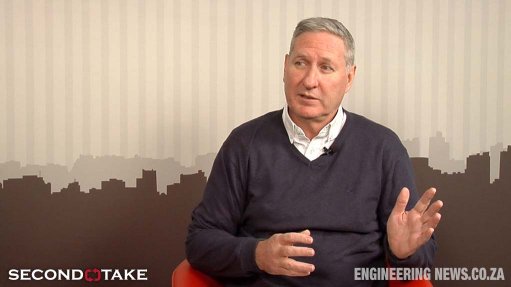
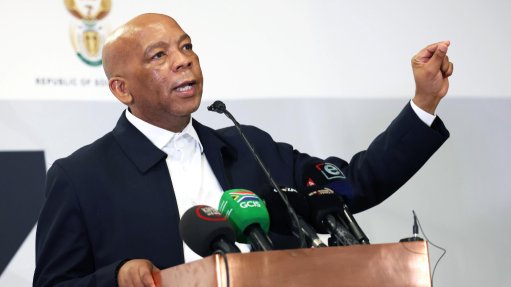
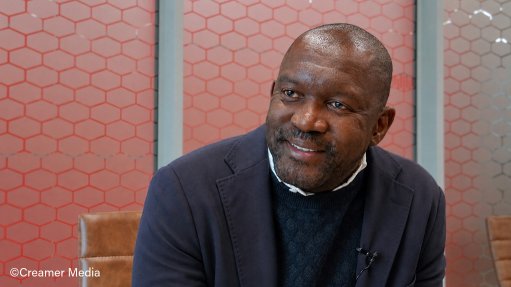
PEAC coordinating chairperson Dr Renosi Mokate discusses the global geopolitical environment and the opportunity for South Africa to strengthen its long-term resilience (Video and editing: Shadwyn Dickinson)
PEAC coordinating chairperson Dr Renosi Mokate


South Africa should respond to growing geopolitical uncertainty by accelerating electricity reform, strengthening industrial policy and mobilising investment into energy infrastructure, speakers said during a joint webinar hosted by the Presidential Climate Commission (PCC), the National Planning Commission (NPC) and the President’s Economic Advisory Council (PEAC) on July 29.
The webinar unpacked a draft advisory note prepared jointly by the three Presidential advisory bodies, which collectively argue that energy security, industrial development, economic competitiveness and the just transition should be pursued as complementary rather than competing objectives.
Opening the webinar, PEAC coordinating chairperson Dr Renosi Mokate said the advisory note had been developed against the backdrop of an increasingly volatile global environment characterised by conflict, trade tensions, changing investment patterns and heightened competition for strategic critical resources.
“The advisory does not attempt to address every sector affected by geopolitical change. Rather, it focuses primarily on the electricity system and the industrial opportunities associated with this transformation.
“Its central position is that energy security, industrial development, economic competitiveness and the just transition should not be treated as separate policy objectives. They must form part of a coherent national development strategy,” Mokate said.
She added that the webinar formed part of a consultation process aimed at refining the advisory note before it was submitted to the Presidency and relevant government departments.
Presenting the key findings of the draft advisory note, PCC policy and research executive manager Lebogang Mulaisi said recent geopolitical developments, particularly the conflict in the Middle East, were accelerating structural shifts in the global economy, with countries increasingly prioritising energy security, industrial policy and domestic resilience.
She noted that South Africa’s response to this should include accelerating renewable- energy deployment, expanding transmission infrastructure, advancing electricity market reform and ensuring broader participation in the energy transition.
Moreover, Mulaisi explained that the joint working group sought to ensure that electricity reform contributed to reducing structural inequality by promoting wider ownership in the emerging electricity market.
“It is important to ensure we move away from any form of market concentration. We do understand that the electricity market probably needs some time to mature in South Africa, but it is important to ensure the market does incentivise competition, as opposed to entrenching market concentration,” she said.
Mulaisi added that there were opportunities to support municipal, community and cooperative ownership of renewable-energy projects while promoting local value creation and broader economic participation.
Meanwhile, the joint working group has identified several short-term priorities, including maintaining economic stability, accelerating energy security reforms, promoting competition in the electricity sector and addressing structural inequality.
Medium-term priorities include aligning industrial policy with electricity reform, expanding the national transmission network, localising manufacturing opportunities arising from grid expansion and developing an integrated national energy plan to guide future investment decisions.
Addressing the financing requirements of the proposed reforms, NP commissioner Professor Mark Swilling argued that achieving South Africa’s long-term energy and climate objectives should be predicated on reliability, affordability and attractiveness as an investment.
He said research undertaken on behalf of the NPC estimated that generation and transmission infrastructure alone would require capital investment of about R2-trillion up to 2050, averaging about R78-billion a year.
Swilling also argued that South Africa’s challenge was less about a shortage of capital than about how financial resources were allocated.
“The real problem is the decline in gross fixed capital formation in particular since 2008. If we want to change the directionality of capital flows, we have to change the rules, and this is part of the discussion that needs to take place,” he said.
Article Enquiry
Email Article
Save Article
Feedback
To advertise email advertising@creamermedia.co.za or click here
Projects
Latest Multimedia
Latest News
Showroom

For over 60 years, VEGA has provided industry-leading products for the measurement of level, density, weight and pressure. As the inventor of the...
VISIT SHOWROOM
Mitsubishi Chemical Advanced Materials South Africa (Pty) Ltd is a leading manufacturer of high-performance engineering plastics for the mining...
VISIT SHOWROOM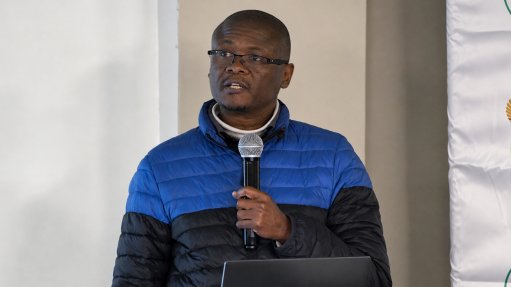


Press Office
Announcements
What's On
Subscribe to improve your user experience...
Option 1 (equivalent of R125 a month):
Receive a weekly copy of Creamer Media's Engineering News & Mining Weekly magazine
(print copy for those in South Africa and e-magazine for those outside of South Africa)
Receive daily email newsletters
Access to full search results
Access archive of magazine back copies
Access to Projects in Progress
Access to ONE Research Report of your choice in PDF format
Option 2 (equivalent of R375 a month):
All benefits from Option 1
PLUS
Access to Creamer Media's Research Channel Africa for ALL Research Reports, in PDF format, on various industrial and mining sectors
including Electricity; Water; Energy Transition; Hydrogen; Roads, Rail and Ports; Coal; Gold; Platinum; Battery Metals; etc.
Already a subscriber?
Forgotten your password?
Receive weekly copy of Creamer Media's Engineering News & Mining Weekly magazine (print copy for those in South Africa and e-magazine for those outside of South Africa)
➕
Recieve daily email newsletters
➕
Access to full search results
➕
Access archive of magazine back copies
➕
Access to Projects in Progress
➕
Access to ONE Research Report of your choice in PDF format
RESEARCH CHANNEL AFRICA
R4500 (equivalent of R375 a month)
SUBSCRIBEAll benefits from Option 1
➕
Access to Creamer Media's Research Channel Africa for ALL Research Reports on various industrial and mining sectors, in PDF format, including on:
Electricity
➕
Water
➕
Energy Transition
➕
Hydrogen
➕
Roads, Rail and Ports
➕
Coal
➕
Gold
➕
Platinum
➕
Battery Metals
➕
etc.
Receive all benefits from Option 1 or Option 2 delivered to numerous people at your company
➕
Multiple User names and Passwords for simultaneous log-ins
➕
Intranet integration access to all in your organisation