Optimised lubrication critical to conveyor reliability

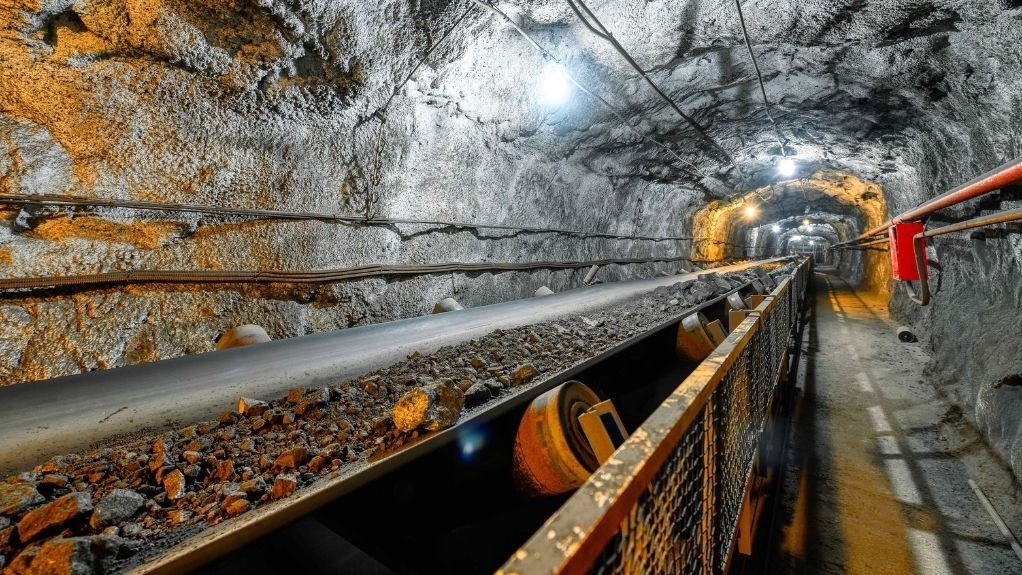
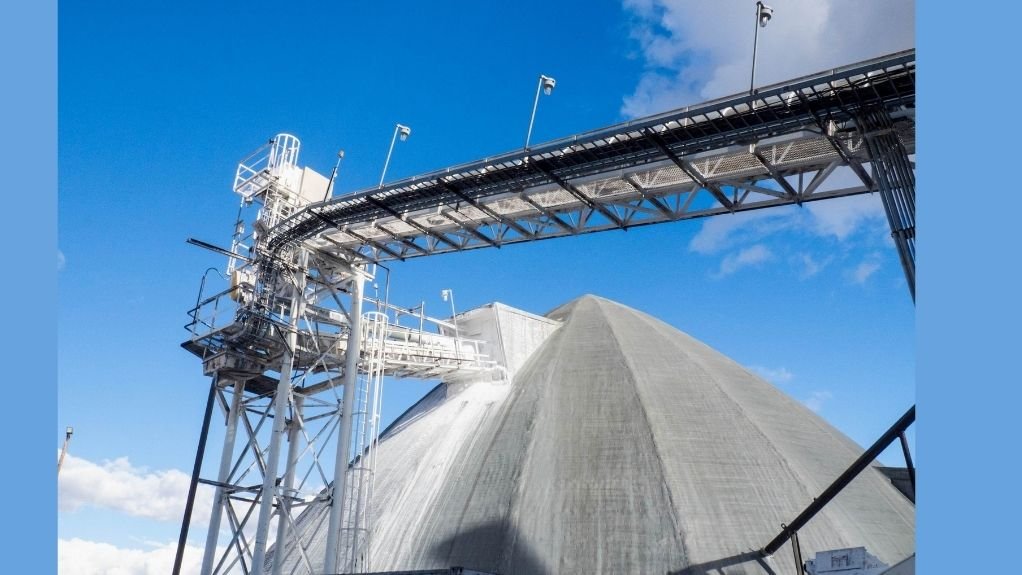
AUTOMATED SYSTEMS Single point lubricators can reduce the need for personnel to work close to moving equipment
CORRECT APPLICATION METHODS Under-lubrication can lead to increased friction, heat and wear while over lubrication can create increased internal resistance, higher operating temperatures and unnecessary pressure on bearing seals


Appropriate tribology is fundamental to improving the reliability and efficiency of conveyor systems in South African mining operations, says lubrication technology experts Lubrication Engineers South Africa (LE SA) sales representative Trevor Wentzel.
“On a mining conveyor, there are numerous moving parts where friction needs to be controlled, from bearings and pulleys . . . to drive gearboxes and other rotating components,” he explains.
LE SA’s conveyors application strategy considers load, environment, temperature and speed to determine the required lubrication requirements.
Local mining conveyors frequently operate continuously in highly contaminated environments, with dust, moisture, vibration and heavy loading affecting lubricant performance. Therefore, the lubricant must maintain an effective protective film despite these conditions, notes Wentzel.
By reducing friction and preventing metal-to-metal contact, the correct lubrication can reduce wear, operating temperatures and component failures.
“Ultimately, good tribology translates into longer equipment life, improved conveyor availability and more efficient use of energy,” adds Wentzel.
From a lubrication perspective, pulley bearings and other heavily loaded conveyor bearings are generally among the most critical points because their failure can directly affect the entire conveyor.
However, while the challenge is not necessarily load alone, Wentzel elaborates that a combination of load, vibration, dust, moisture and extended operating hours also contribute to component wear. Once contamination enters a bearing, particles can become part of the grease and act abrasively, accelerating wear.
Additionally, idlers and rollers present a slightly different challenge. They might not always be the most critical components individually, but there might be “hundreds of them” at mines, so even a relatively low failure rate can result in significant maintenance requirements, he adds.
LE SA addresses these applications by selecting lubricants with the appropriate film strength, mechanical stability, adhesion, water resistance and resistance to shock loading. It also ensures these products are applied at the correct quantity and interval.
For particularly severe applications, Wentzel says LE SA aims to use a grease “that stays where it is required” instead of being washed or pounded out.
Combating Contamination
For general external bearing applications, LE SA recommends its 1233 Almatek general purpose grease. It is a tacky grease designed to withstand shock-loading, pound-out and water washout while adhering strongly to metal surfaces.
The company also uses Xport single-point lubricators on suitable conveyor bearing applications. These units automatically dispense a controlled quantity of grease over a predetermined period, maintaining a more consistent supply of fresh lubricant to the bearing. This, says Wentzel, is especially useful on conveyors where lubrication points are numerous, difficult to access or exposed to severe dust and moisture.
By supplying smaller, controlled amounts more regularly, single-point lubricators can help reduce the risks of under- and over-lubrication, and help maintain a positive grease presence that supports the bearing’s sealing function, making it more difficult for dust and moisture to migrate into the lubricated area.
On large conveyor systems, Wentzel adds that the vast number of lubrication points creates a big opportunity for human error, as greasing points can be overlooked, serviced at inconsistent intervals or receive different quantities, depending on the person working at a particular time.
Single-point lubricators help to remove much of this variability by delivering a measured and constant amount of lubricant directly to the application, reducing maintenance time and limiting the need for personnel to work close to moving equipment.
However, Wentzel says lubrication equipment alone will not solve a contamination problem, with the correct sealing, clean transfer practices, proper lubricant storage and correct relubrication intervals remaining essential.
LE SA’s Xclude breathers, Xtract sight glasses and controlled Xpel lubricant storage and dispensing systems are used to control contamination on conveyor drive gearboxes and other oil-lubricated systems.
“Automated lubrication systems are particularly valuable on mining conveyors because . . . many lubrication points are often spread over long distances, with some points difficult or unsafe to access manually.”
The company’s high-performance greases are also known for remaining in service for longer in demanding applications, which can allow for lubrication intervals to be extended, compared with conventional products, consequently reducing grease consumption, manual intervention and relubrication frequency, adds Wentzel.
Return on Investment
Wentzel says LE SA demonstrates a positive return on investment by looking beyond the purchase price of the lubricant to the total cost of operating, maintaining and protecting the equipment.
This includes lubricant consumption, relubrication frequency, bearing and component replacement rates, maintenance labour, operating temperatures and the cost of conveyor downtime caused by lubrication-related failures.
Once an improved lubrication programme is implemented, he says those same factors can be monitored to measure the improvement.
In many cases, the value lies not only in using less lubricant but also in extending lubrication intervals and component life, as well as reducing bearing failures and maintenance intervention, concludes Wentzel.
Article Enquiry
Email Article
Save Article
Feedback
To advertise email advertising@creamermedia.co.za or click here

Projects


Latest Multimedia


Latest News


Showroom
For over 30 years, Werner South Africa Pumps & Equipment (PTY) LTD has been designing, manufacturing, supplying and maintaining specialist...
VISIT SHOWROOM
The Steel Tube Export Association of South Africa was established to develop sustainable, internationally competitive carbon steel tube and pipe...
VISIT SHOWROOM


Press Office
Announcements
What's On
Subscribe to improve your user experience...
Option 1 (equivalent of R125 a month):
Receive a weekly copy of Creamer Media's Engineering News & Mining Weekly magazine
(print copy for those in South Africa and e-magazine for those outside of South Africa)
Receive daily email newsletters
Access to full search results
Access archive of magazine back copies
Access to Projects in Progress
Access to ONE Research Report of your choice in PDF format
Option 2 (equivalent of R375 a month):
All benefits from Option 1
PLUS
Access to Creamer Media's Research Channel Africa for ALL Research Reports, in PDF format, on various industrial and mining sectors
including Electricity; Water; Energy Transition; Hydrogen; Roads, Rail and Ports; Coal; Gold; Platinum; Battery Metals; etc.
Already a subscriber?
Forgotten your password?
Receive weekly copy of Creamer Media's Engineering News & Mining Weekly magazine (print copy for those in South Africa and e-magazine for those outside of South Africa)
➕
Recieve daily email newsletters
➕
Access to full search results
➕
Access archive of magazine back copies
➕
Access to Projects in Progress
➕
Access to ONE Research Report of your choice in PDF format
RESEARCH CHANNEL AFRICA
R4500 (equivalent of R375 a month)
SUBSCRIBEAll benefits from Option 1
➕
Access to Creamer Media's Research Channel Africa for ALL Research Reports on various industrial and mining sectors, in PDF format, including on:
Electricity
➕
Water
➕
Energy Transition
➕
Hydrogen
➕
Roads, Rail and Ports
➕
Coal
➕
Gold
➕
Platinum
➕
Battery Metals
➕
etc.
Receive all benefits from Option 1 or Option 2 delivered to numerous people at your company
➕
Multiple User names and Passwords for simultaneous log-ins
➕
Intranet integration access to all in your organisation