Project management community of practice founded to boost South Africa's public delivery


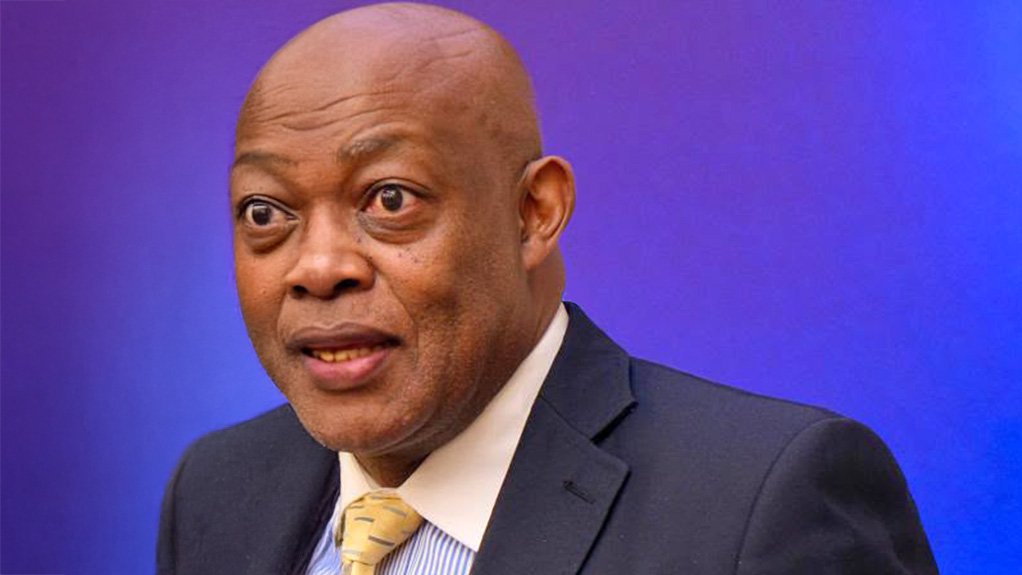
PMI sub-Saharan Africa MD George Asamani
SARS group executive and Enterprise Programme Management Office head William Mpye




Citizens experience government through the services they receive. The better governments deliver, the more confidence and trust citizens have in government. Therefore, project execution and improving capacity in project management expertise is critical for Africa, said international professionals organisation Project Management Institute (PMI) sub-Saharan Africa MD George Asamani on July 30.
The PMI, the University of South Africa Graduate School of Business Leadership, the South African Revenue Service (SARS), the Project Management Office in the Presidency and other public sector partners have, therefore, launched the Public Sector Project Management Community of Practice (PSPMCoP).
“Across Africa and the whole world, governments should keep the promises they make to citizens. As project management professionals, we want to help leaders bring these promises to life.
“This PSPMCoP is not only about strengthening the project management profession, but also about ensuring that government is capable of delivering consistently, transparently and effectively for the people of South Africa,” he said.
“This community of practice is about sharing what has been learned and developing capabilities, It also about combining the expertise of different organisations to ensure lessons from the whole group are captured, we learn from one another and we strengthen delivery across institutional bodies.
“This community of practice is about transforming individual experience into institutional knowledge,” he said at the University of South Africa Graduate School of Business Leadership, in Midrand.
Public institutions in Africa, and the world over, are being asked to do more with less and it is the ability to execute that is the defining measure of an effective government.
Additionally, the variables of projects were constantly changing, which increased complexity. New technologies, climate change, cybersecurity threats, more digital services and infrastructure that constantly needed to be revamped were some examples that were increasing complexity, Asamani said.
These challenges are not isolated, but are overlapping and common; contributing to complexity.
However, complexity is not the enemy. The impact is determined by organisations' ability to deal with it, and dealing with complex projects can be codified and learned.
Organisations that were able to deal with and manage complexity were five times more likely to deliver successful projects. The key was to manage this complexity well, he noted.
“We hope this newly founded community of practice will allow successful approaches to be developed in one department and then benefit all other departments. The community of practice will help to build capabilities that outlast individual projects, political cycles and even administrations.”
The aim of the community of practice is to strengthen the collective ability of government to deliver.
Research undertaken by the PMI showed that the highest-performing government organisations were not those with fewer challenges, but those in which leaders aligned priorities early, engaged stakeholders, anticipated change and built capabilities that could adapt as circumstances evolved, he said.
“What we are starting today is important. As a young project manager in [power utility] Eskom, I saw the impact that effective public sector project management can have on the lives of ordinary people every time we handed over a newly connected house or homestead,” said SARS group executive and Enterprise Programme Management Office head William Mpye.
Nations are confronting increasingly complex challenges, including delivering services more effectively, transparently and with a greater impact. The expectations are the same in South Africa, with calls for accelerated infrastructure delivery, improving service outcomes and modernising public institutions.
Project management is how policy aspirations are changed into measurable outcomes. Project management is a strategic enabler for government outcomes.
“Project management is often viewed as an administrative function, but the true value of the discipline is in delivering change and creating public value,” Mpye said.
Government's priorities were executed through programmes and projects; whether digital or physical infrastructure or social programmes, delivery was undertaken through projects, he said.
“Well-run projects turn policy into action, translate strategies into outcomes and transform vision into national progress.
“Project management is not a technical discipline on the margins of government. It must be a strategic capability embedded in the centre of government and public administration,” he emphasised.
“The establishment of this community of practice is timely and necessary. It is a platform for practitioners to learn from one another, share expertise and best practices, and strengthen organisational capabilities.”
Government departments face challenges, with projects being behind schedule, cost overruns and constrained resources being the order of the day.
“People experience government, not through policy, but through outcomes. We must measure our effectiveness not on our activities, but on the outcomes we achieve.
“We must be accountable not for delivery of a project, but for the outcomes and outputs it achieves,” Mpye said.
Article Enquiry
Email Article
Save Article
Feedback
To advertise email advertising@creamermedia.co.za or click here

Projects


Latest Multimedia

Latest News


Showroom

Your global lifecycle technology & service partner for materials & minerals processing equipment for coal, iron ore, copper, manganese & other...
VISIT SHOWROOM
Mitsubishi Chemical Advanced Materials South Africa (Pty) Ltd is a leading manufacturer of high-performance engineering plastics for the mining...
VISIT SHOWROOM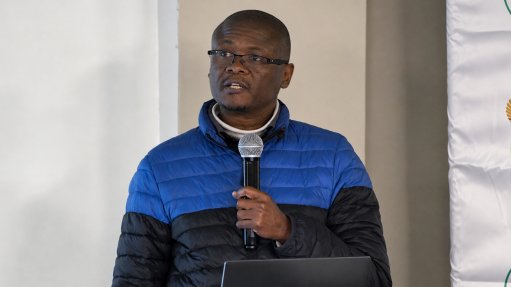


Announcements
What's On
Subscribe to improve your user experience...
Option 1 (equivalent of R125 a month):
Receive a weekly copy of Creamer Media's Engineering News & Mining Weekly magazine
(print copy for those in South Africa and e-magazine for those outside of South Africa)
Receive daily email newsletters
Access to full search results
Access archive of magazine back copies
Access to Projects in Progress
Access to ONE Research Report of your choice in PDF format
Option 2 (equivalent of R375 a month):
All benefits from Option 1
PLUS
Access to Creamer Media's Research Channel Africa for ALL Research Reports, in PDF format, on various industrial and mining sectors
including Electricity; Water; Energy Transition; Hydrogen; Roads, Rail and Ports; Coal; Gold; Platinum; Battery Metals; etc.
Already a subscriber?
Forgotten your password?
Receive weekly copy of Creamer Media's Engineering News & Mining Weekly magazine (print copy for those in South Africa and e-magazine for those outside of South Africa)
➕
Recieve daily email newsletters
➕
Access to full search results
➕
Access archive of magazine back copies
➕
Access to Projects in Progress
➕
Access to ONE Research Report of your choice in PDF format
RESEARCH CHANNEL AFRICA
R4500 (equivalent of R375 a month)
SUBSCRIBEAll benefits from Option 1
➕
Access to Creamer Media's Research Channel Africa for ALL Research Reports on various industrial and mining sectors, in PDF format, including on:
Electricity
➕
Water
➕
Energy Transition
➕
Hydrogen
➕
Roads, Rail and Ports
➕
Coal
➕
Gold
➕
Platinum
➕
Battery Metals
➕
etc.
Receive all benefits from Option 1 or Option 2 delivered to numerous people at your company
➕
Multiple User names and Passwords for simultaneous log-ins
➕
Intranet integration access to all in your organisation