Ramaphosa assures competitive overhaul will curb skyrocketing electricity costs

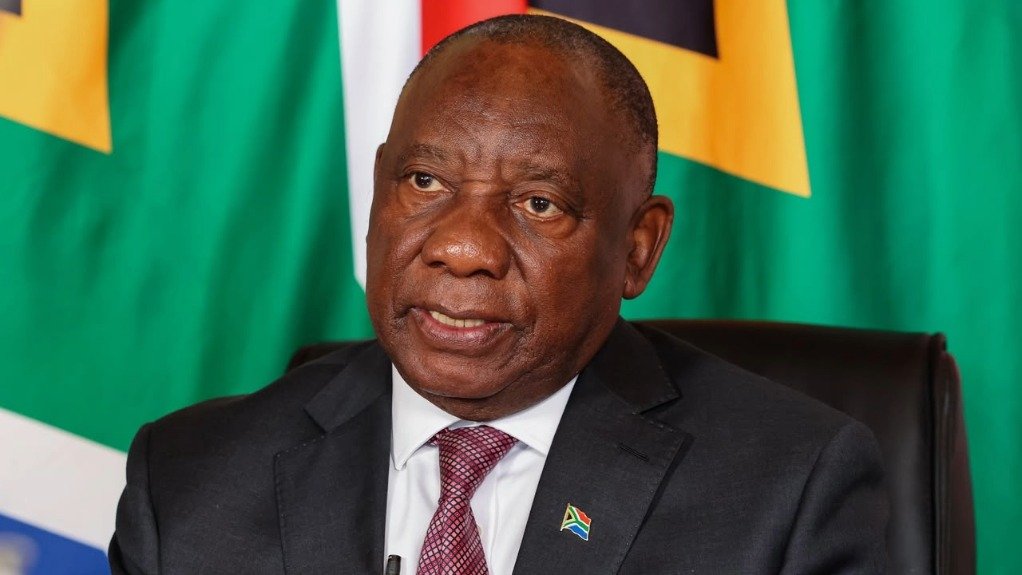


President Cyril Ramaphosa on Monday vowed to tackle the country's soaring electricity tariffs, acknowledging that the rising cost of power is inflicting severe financial hardship on families and crippling business competitiveness.
Writing in his weekly newsletter to the nation, the President declared that South Africa must move away from its century-old reliance on a single utility provider if it hopes to secure an affordable, reliable and sustainable energy future.
Over the past two decades, South African electricity prices have surged dramatically and Ramaphosa highlighted that these high costs force ordinary citizens to make “impossible choices” while trying to balance food, transport and basic necessities.
He said for the business sector, the consequences are equally damaging, with manufacturing goods and providing services becoming increasingly expensive.
Ramaphosa noted that massive cost overruns at Eskom's mega-projects, specifically the Medupi and Kusile power stations, contributed to the utility's mountain of debt, a burden ultimately passed down to consumers and taxpayers.
While acknowledging that Eskom’s operational performance has turned a corner, showing clear signs of stabilisation and improvement, with Ramaphosa attributing this to workers and management, he warned against complacency.
"The electricity crisis demonstrated the danger of relying overwhelmingly on a single company to meet the energy needs of an entire economy," Ramaphosa wrote. "This model is no longer sustainable if we want reliable and cheap electricity."
The structural shift will not mean privatising Eskom, he asserted. Instead, the State aims to relieve the utility of the sole burden of generation and investment, allowing multiple players to enter the market while government retains full ownership of the transmission network.
To drive down costs and secure the power grid, government is executing a multi-pronged reform strategy under the Energy Action Plan.
Ramaphosa noted a New Electricity Pricing Policy which has recently been published, to guarantee transparent tariffs, protect the poor, and prevent Eskom's structural inefficiencies from being passed on to the public.
The National Energy Regulator of South Africa is finalising regulations to allow multiple public and private generators to compete. Ramaphosa believes this competition will apply downward pressure on prices.
The independent Transmission System Operator (TSO) is expected to manage the national grid impartially. Acting as a "referee" between Eskom and private producers, the TSO will ensure equal grid access and help raise the vast investment needed to expand transmission lines.
Ramaphosa emphasised that structural reforms will unlock South Africa's world-class wind and solar resources.
By establishing the right infrastructure and competitive frameworks, the country could transform abundance into a distinct economic edge, he believes.
Over time, cheap and clean electricity is projected to catalyse brand-new industrial sectors, including green hydrogen and electric vehicle production, potentially creating hundreds of thousands of sustainable jobs.
"There should be no disagreement about what South Africans need," Ramaphosa said. "They need electricity when they switch on the lights. They need electricity they can afford... and our country needs an electricity system capable of powering economic growth for generations to come.”
Article Enquiry
Email Article
Save Article
Feedback
To advertise email advertising@creamermedia.co.za or click here
Projects
Latest Multimedia
Showroom
Mitsubishi Chemical Advanced Materials South Africa (Pty) Ltd is a leading manufacturer of high-performance engineering plastics for the mining...
VISIT SHOWROOM
ALBIS FLANGES — founded in 1965 — is a petro-chemical approved manufacturer of flanges and fittings in most grades of steel, listed with Sasol,...
VISIT SHOWROOM
Press Office
Announcements
What's On
Subscribe to improve your user experience...
Option 1 (equivalent of R125 a month):
Receive a weekly copy of Creamer Media's Engineering News & Mining Weekly magazine
(print copy for those in South Africa and e-magazine for those outside of South Africa)
Receive daily email newsletters
Access to full search results
Access archive of magazine back copies
Access to Projects in Progress
Access to ONE Research Report of your choice in PDF format
Option 2 (equivalent of R375 a month):
All benefits from Option 1
PLUS
Access to Creamer Media's Research Channel Africa for ALL Research Reports, in PDF format, on various industrial and mining sectors
including Electricity; Water; Energy Transition; Hydrogen; Roads, Rail and Ports; Coal; Gold; Platinum; Battery Metals; etc.
Already a subscriber?
Forgotten your password?
Receive weekly copy of Creamer Media's Engineering News & Mining Weekly magazine (print copy for those in South Africa and e-magazine for those outside of South Africa)
➕
Recieve daily email newsletters
➕
Access to full search results
➕
Access archive of magazine back copies
➕
Access to Projects in Progress
➕
Access to ONE Research Report of your choice in PDF format
RESEARCH CHANNEL AFRICA
R4500 (equivalent of R375 a month)
SUBSCRIBEAll benefits from Option 1
➕
Access to Creamer Media's Research Channel Africa for ALL Research Reports on various industrial and mining sectors, in PDF format, including on:
Electricity
➕
Water
➕
Energy Transition
➕
Hydrogen
➕
Roads, Rail and Ports
➕
Coal
➕
Gold
➕
Platinum
➕
Battery Metals
➕
etc.
Receive all benefits from Option 1 or Option 2 delivered to numerous people at your company
➕
Multiple User names and Passwords for simultaneous log-ins
➕
Intranet integration access to all in your organisation