South Africa urged to leverage industrial spaces to pilot and unlock green tech


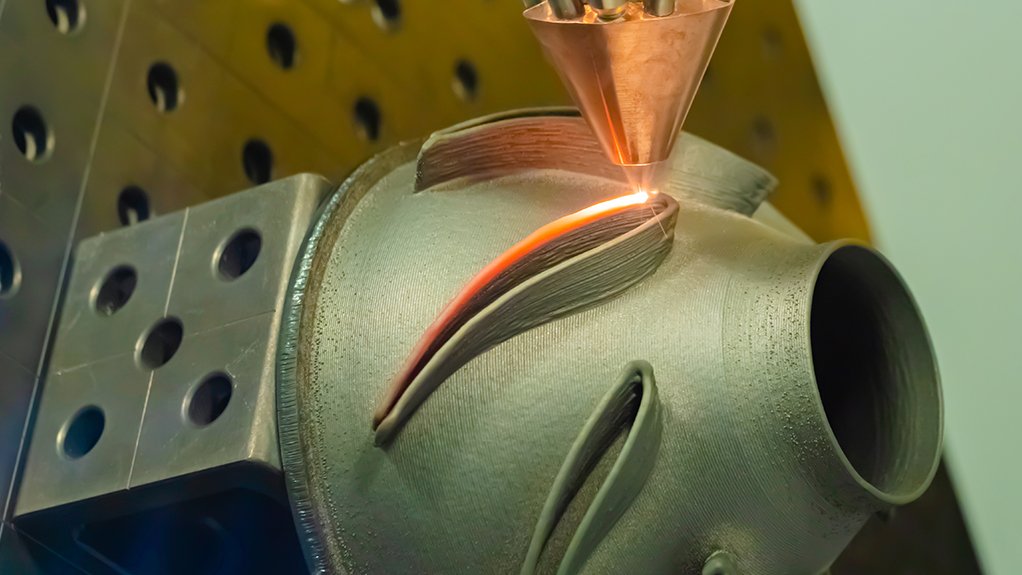
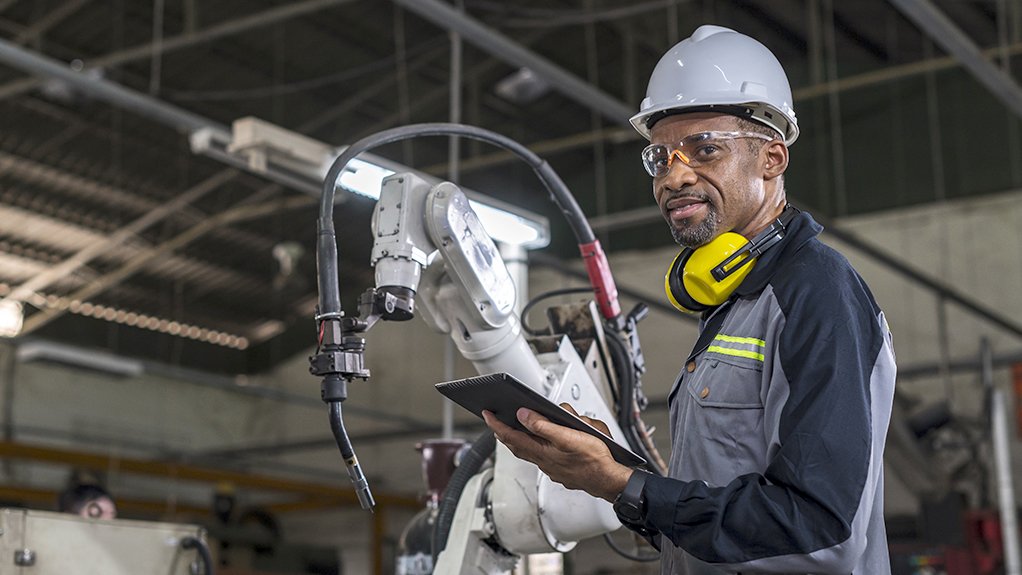
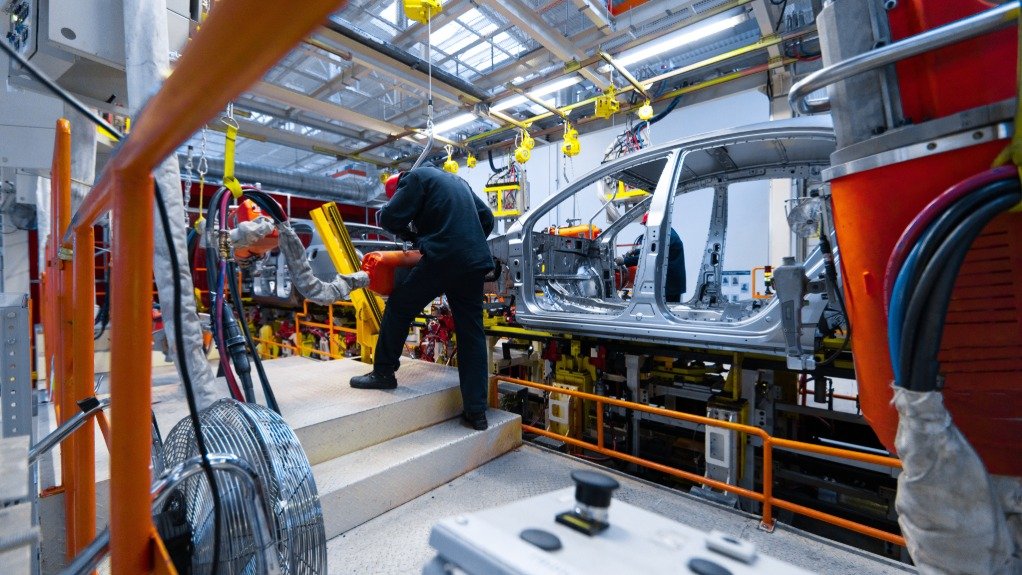

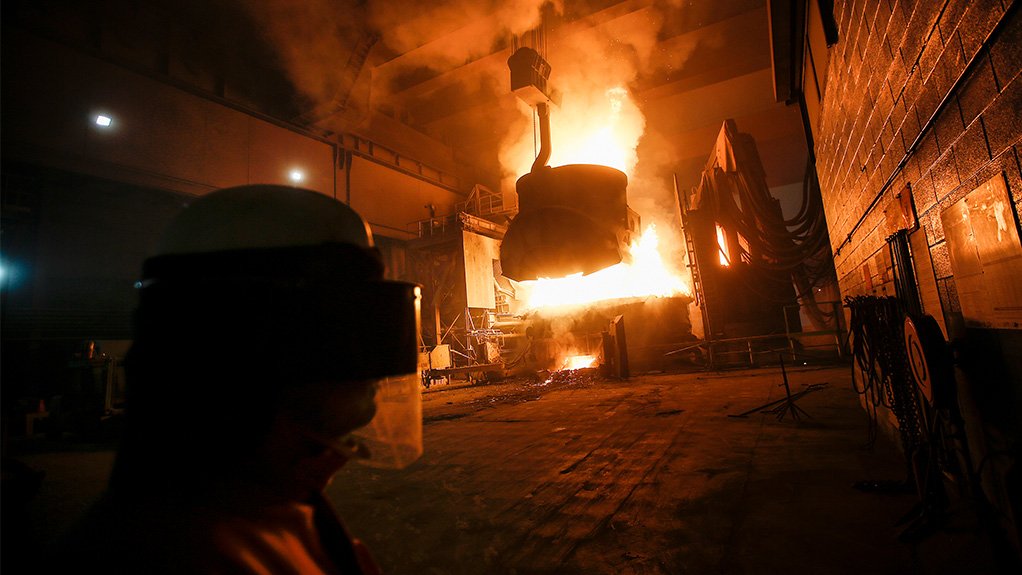
RENEWABLE DEMAND Demand for low-carbon and renewable energy-related products is set to increase
NEW PROCESSES The areas in which South Africa's industries can compete sustainably will grow
INDUSTRIAL BASE South Africa’s industrial development strategy aims to leverage renewable and low-carbon energy investments to drive industrial development
TRANSITIONAL OPPORTUNITIES Industrial spaces can help to accelerate the transition to a low-carbon economy
CLEANER INDUSTRY Renewable and reliable energy will help to make South Africa's industries more competitive





South Africa needs to build manufacturing capacity in parts of value chains in which its industries can compete sustainably, while leveraging and adapting its existing industrial base to meet current and future demands.
However, there are risks associated with untested technologies, illustrated by the fact that an estimated 35% of the reduction in greenhouse-gas emissions from industry was expected to be achieved using technologies that were not yet commercially available, United Nations Industrial Development Organisation (UNIDO) energy and climate action manager Rouba Onaissi said last month.
The objective of a green industrialisation strategy should be to build competitive and sustainable industrial capabilities, said Department of Trade, Industry and Competition (dtic) green industries chief director Gerhard Fourie.
South Africa’s industrial development strategy, launched this year, explicitly focuses on leveraging renewable and low-carbon energy investments to drive industrial development.
The country is set to make significant investments in the renewable energy transition, battery energy storage and energy and electricity infrastructure in the coming years and, according to Fourie, it must aim to retain as much of the value from these investments as possible within the country.
“However, South Africa cannot manufacture everything. We need to connect the different elements, including investments in renewable energy, market demand, industrial capacity, finances, manufacturing skills and policy instruments, to create sustainable industries.
“Industrial spaces [such as industrial parks and special economic zones (SEZs)] can help make the choices facing our industries more practical,” Fourie said.
Many structural constraints limit industrial competitiveness, including energy reliability and affordability, limited technology deployment, and constrained access to financing.
However, UNIDO South Africa project manager Karin Reiss-Haimbala argued that industrial spaces could serve as platforms to build new industries linked to emerging clean technology value chains, such as renewable energy equipment. They could also become centres for the decarbonisation of industries and engines of green industrial growth.
“South Africa’s energy transition is not only an environmental imperative, but [also] a major industrialisation opportunity. The rapid growth of renewable energy, battery storage, green hydrogen and other clean technologies is creating new markets and value chains.
“For South Africa, the opportunity is not only to deploy these technologies, but also to capture greater economic value through local manufacturing, through industrial diversification, skills development and job creation,” she said.
A core lesson was that demand was essential to drive industrial development, with sufficiently large, predictable and sustainable demand justifying the deployment of capital into factories, machines, people and supply chains, Fourie said.
“Industrial policy logic is straightforward: demand creates markets, predictable markets create investment, and investment creates scale, which builds suppliers, skills, technology, jobs, localisation and export competitiveness.”
Industrial parks and SEZs could serve as platforms for testing technologies and developing products and industrial value chains, Fourie said during a webinar on green industrialisation in South Africa, held jointly by UNIDO and green economy advocacy organisation GreenCape on September 22.
Specifically, green industrialisation must encompass three core dimensions, namely deploying renewable and clean technologies at scale across industries, manufacturing clean technology components and developing value chains, and decarbonising heavy industry and high-emissions sectors through low-carbon production processes, said Onaissi.
South Africa was well position to manufacture renewable energy components, said GreenCape energy programme manager and green finance lead Jack Radmore.
As part of the transition to renewable energy, manufacturers should be supported to use more renewable energy to power their operations.
However, the growing demand for renewable-energy-related systems should also be leveraged to create stable demand that can drive down the cost of manufactured components to meet this demand, he noted.
As demand increases, it reinforces the ability of local companies to manufacture components competitively and create more sustainable industries, he added.
Demand for low-carbon products was set to increase, alongside an expected tripling of critical minerals production by 2030, to enable the transition to a low-carbon global economy, Onaissi said.
The question was how to use the energy transition as an opportunity for industrial growth and to move countries in the Global South from being exporters of raw materials to creating local value, she said.
In terms of the energy transition, it is not only about renewable electricity generation, but also about what South Africa manufactures, imports and exports, and where and what investments must take place to build industrial capacity in the country over the next 20 to 30 years, said Fourie.
Every rand spent on the energy transition must provide cleaner and more secure energy to make South Africa more competitive, while also building factories and developing suppliers, skills and new export opportunities.
South Africa’s industrial development strategy focused on decarbonisation, digitalisation and diversification. Decarbonisation of industry was not only an environmental programme, but also a key industrial policy and industrial development programme, he said.
Industrial efficiency agency the National Cleaner Production Centre of South Africa (NCPCSA) conducted studies to map out energy consumption by companies in SEZs to understand the opportunities to invest in, and to diversify, industries, as well as the availability, cost and scale of different technologies, said NCPCSA director Ndivhuho Raphulu.
“The path of green manufacturing and using renewable energy to power industrial operations is based on market pressures. The pressures from other industrial sectors also come into play.
“The affordability of transitioning to cleaner production processes is also a challenge. Some financial institutions cannot measure the risks associated with the transformation of industrial processes, which leads to financial facilities for these changes not being cheap and discourages companies to undertake transitions,” he said.
The NCPCSA had developed a green finance business proposal to help industry access funding to invest in cleaner production. However, there were still gaps in information and a need to create a common understanding of green industrial development in South Africa.
The agency supported industry in tackling the transition by building technical capacity, and providing tools and advisory services to facilitate and support the transition.
Specifically, the NCPCSA was using pilot projects to develop practical examples of how companies were adopting cleaner production systems that could be shared with other industrial companies, Raphulu said.
“We are doing lots of pilots to provide practical examples during our engagements with companies. We have also undertaken analyses of the best available technologies to help industries access the new technologies required for them to be sustainable and competitive.
“This is one of the advantages of being a dtic agency; we have access to the [Council for Scientific and Industrial Research], which allows us to understand how to create an environment in which local innovation and knowledge can drive the transformation of industry.”
Green Opportunities
South Africa could not manufacture everything needed for renewable energy and green industrial systems, and it would be far-fetched to assume that local industries could compete against China in the manufacture of solar cells or lithium-ion cells, said Radmore.
However, there were opportunities for local companies to manufacture competitively and sell the products into projects in South Africa and Africa.
The opportunities included solar PV mounting and tracking, step-up transformers and solar collectors, mineral extraction and production, as well as steel, concrete and internal wind-tower components.
These were aligned with the country’s industrial strengths and mineral endowment, and opened up opportunities for investment in these areas, he emphasised.
Additionally, there were entry-point opportunities where local manufacturers could adapt domestic fabrication to produce low- and medium-voltage electrical equipment, flexible and rigid cabling, wind, solar, battery and energy management systems, as well as lithium-ion components in the battery energy storage space.
Further, the areas in which South Africa’s industries could compete sustainably would grow. As the level of skills in its industries increased, more components and subsystems would become viable products to manufacture.
A database could be a live hub of information on what the country could manufacture, while companies could continue to grow within the value chains and the hub could enable prospective developers to see which components could be procured locally, Radmore said.
To this end, South Africa was mapping out opportunities and trying to direct investment towards them.
Specifically, the Department of Electricity and Energy (DEE), along with the dtic, had created a publicly available database that maps out South Africa’s manufacturing capabilities, said DEE renewable energy director Nomawethu Qase.
The purpose was to support local content sourcing, increase the visibility of local manufacturers and boost supply chain transparency in the manufacturing sector, she said.
“The database is live and we are inviting manufacturers to subscribe to it. We invite industry to join our task teams to help implement the South African Renewable Energy Masterplan (SAREM) and identify opportunities where they can contribute,” she said.
Current market opportunities existed and there were documents on the SAREM website that could be used nationally and internationally to inform decisions around manufacturing, pointed out Radmore.
The aim was to increase the information available to current and future manufacturers, as well as potential investors in the sector. Additionally, it allowed government and companies to determine where in the value chain it would make sense to develop manufacturing.
The database also provided a sense of which components were ready to be manufactured locally at scale.
“South Africa is well-positioned to manufacture renewable energy components. The country’s Integrated Resource Plan forecasts 35 GW of renewable energy capacity by 2035.
“Deployment of about 3.5 GW to 5 GW a year of renewable energy generation capacity is viewed as sufficient to support sustainable manufacturing demand,” Radmore highlighted.
Article Enquiry
Email Article
Save Article
Feedback
To advertise email advertising@creamermedia.co.za or click here
Projects

Latest Multimedia

Latest News
Showroom

CMTS is a leading, well-established EC&I contractor with 37+ years of mining and industrial experience. We execute full-scope EC&I projects with...
VISIT SHOWROOM
North Ridge Pumps is an independent manufacturer of pumps. We have a proven track record for product support and customer service throughout the...
VISIT SHOWROOM

Press Office
Announcements
What's On
Subscribe to improve your user experience...
Option 1 (equivalent of R125 a month):
Receive a weekly copy of Creamer Media's Engineering News & Mining Weekly magazine
(print copy for those in South Africa and e-magazine for those outside of South Africa)
Receive daily email newsletters
Access to full search results
Access archive of magazine back copies
Access to Projects in Progress
Access to ONE Research Report of your choice in PDF format
Option 2 (equivalent of R375 a month):
All benefits from Option 1
PLUS
Access to Creamer Media's Research Channel Africa for ALL Research Reports, in PDF format, on various industrial and mining sectors
including Electricity; Water; Energy Transition; Hydrogen; Roads, Rail and Ports; Coal; Gold; Platinum; Battery Metals; etc.
Already a subscriber?
Forgotten your password?
Receive weekly copy of Creamer Media's Engineering News & Mining Weekly magazine (print copy for those in South Africa and e-magazine for those outside of South Africa)
➕
Recieve daily email newsletters
➕
Access to full search results
➕
Access archive of magazine back copies
➕
Access to Projects in Progress
➕
Access to ONE Research Report of your choice in PDF format
RESEARCH CHANNEL AFRICA
R4500 (equivalent of R375 a month)
SUBSCRIBEAll benefits from Option 1
➕
Access to Creamer Media's Research Channel Africa for ALL Research Reports on various industrial and mining sectors, in PDF format, including on:
Electricity
➕
Water
➕
Energy Transition
➕
Hydrogen
➕
Roads, Rail and Ports
➕
Coal
➕
Gold
➕
Platinum
➕
Battery Metals
➕
etc.
Receive all benefits from Option 1 or Option 2 delivered to numerous people at your company
➕
Multiple User names and Passwords for simultaneous log-ins
➕
Intranet integration access to all in your organisation